
The Link Between Gut Health and Overall Wellness
You’ve probably heard the phrase “trust your gut,” but did you know that your gut does much more than signal hunger or digest food? In fact, it’s often called your “second brain” because of the powerful connection it has with nearly every aspect of your health. From boosting immunity to influencing your mood, the state of your gut plays a critical role in your overall wellness.
Let’s explore the fascinating link between gut health and your body, and how you can nurture your gut for better physical and mental well-being.
What Is Gut Health?
Gut health refers to the balance of bacteria and other microorganisms that live in your digestive tract. These microbes, collectively known as the gut microbiome, are involved in digestion, nutrient absorption, and so much more.
A healthy gut has a diverse microbiome, with beneficial bacteria that support your body’s processes and prevent the overgrowth of harmful bacteria. When this balance is disrupted—by stress, poor diet, or antibiotics—it can lead to digestive issues, inflammation, and even chronic diseases.
The Gut-Brain Connection
One of the most fascinating aspects of gut health is its connection to the brain, often referred to as the gut-brain axis. This two-way communication system allows your gut and brain to send signals back and forth, influencing everything from digestion to mood.
- The role of the vagus nerve: This major nerve acts as a highway, transmitting messages between your gut and brain.
- Neurotransmitters in the gut: Your gut produces serotonin, a neurotransmitter that regulates mood, sleep, and appetite. In fact, about 90% of serotonin is made in your gut!
Why it matters: An unhealthy gut can send stress signals to your brain, contributing to anxiety, depression, and brain fog. On the flip side, stress or poor mental health can negatively impact your gut, creating a vicious cycle.
Gut Health and Immunity
Did you know that nearly 70% of your immune system resides in your gut? The gut lining acts as a barrier, preventing harmful pathogens and toxins from entering your bloodstream. Beneficial bacteria in your microbiome also play a role in “training” your immune system to distinguish between friend and foe.
- Probiotics: These “good” bacteria help maintain a healthy gut lining and support immune function.
- Prebiotics: These are fibers that feed beneficial bacteria, helping them thrive.
Why it matters: An imbalanced microbiome can weaken your immune system, making you more susceptible to infections, allergies, and chronic inflammation.
The Impact on Digestion
A healthy gut is essential for breaking down food and absorbing nutrients. Beneficial gut bacteria help ferment fiber, produce short-chain fatty acids (which nourish your gut lining), and synthesize essential vitamins like B12 and K2.
When your gut is out of balance, you may experience:
- Bloating
- Constipation or diarrhea
- Acid reflux
- Food sensitivities
Why it matters: Poor digestion not only affects your comfort but can also lead to nutrient deficiencies and decreased energy levels.
Gut Health and Chronic Disease
An imbalanced gut microbiome is linked to a variety of chronic conditions, including:
- Inflammatory diseases: Conditions like Crohn’s disease, ulcerative colitis, and irritable bowel syndrome (IBS) are closely tied to gut health.
- Metabolic disorders: Imbalances in gut bacteria can contribute to obesity, type 2 diabetes, and insulin resistance.
- Cardiovascular health: Certain harmful bacteria produce compounds that can lead to inflammation and heart disease.
Why it matters: Supporting your gut health may help prevent or manage these chronic conditions.
The Gut-Skin Connection
Your gut and skin are intricately linked, with an unhealthy gut often manifesting as skin issues like acne, eczema, or rosacea. Inflammation caused by an imbalanced microbiome can trigger skin flare-ups, while a healthy gut supports clear, glowing skin.
Why it matters: A gut-friendly diet can improve not only your digestion but also your complexion.
How to Improve Gut Health
Nurturing your gut doesn’t have to be complicated. Small, consistent changes can make a big difference.
1. Eat a Diverse Diet
A wide variety of fruits, vegetables, whole grains, and legumes provides fiber and nutrients that feed beneficial gut bacteria. Aim for “eating the rainbow” to increase microbial diversity.
2. Add Fermented Foods
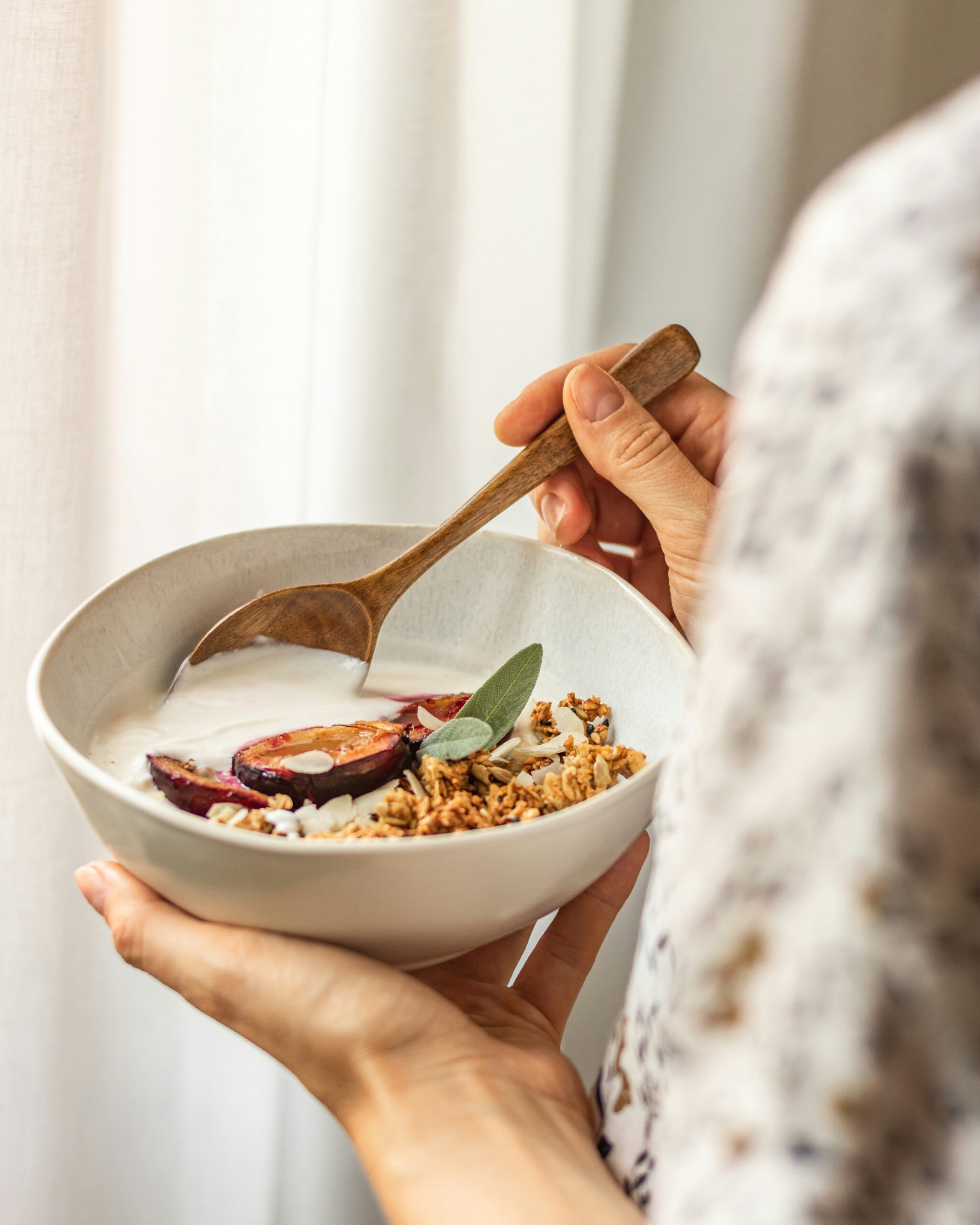
Foods like yogurt, kefir, sauerkraut, kimchi, and miso are rich in probiotics, which replenish good bacteria in your gut.
3. Limit Processed Foods
Highly processed foods, added sugars, and artificial sweeteners can disrupt the balance of your gut microbiome. Opt for whole, minimally processed foods whenever possible.
4. Stay Hydrated
Water helps keep things moving through your digestive system and supports the gut lining.
5. Manage Stress
Chronic stress can negatively impact your gut health. Practice stress-reducing techniques like meditation, deep breathing, or spending time in nature.
6. Exercise Regularly
Physical activity promotes microbial diversity and improves gut motility, which helps prevent constipation.
7. Get Enough Sleep
Poor sleep disrupts the gut-brain axis and can lead to imbalances in your microbiome. Aim for 7–8 hours of quality sleep each night.
8. Consider Supplements
- Probiotics: Choose a high-quality probiotic supplement with multiple strains to support gut health.
- Prebiotics: Foods like garlic, onions, bananas, and asparagus naturally contain prebiotic fibers.
Signs Your Gut Might Need Support
Your gut might be calling for attention if you experience:
- Frequent bloating, gas, or digestive discomfort
- Food intolerances or sensitivities
- Chronic fatigue or low energy
- Skin breakouts or irritation
- Mood swings or increased anxiety
- Frequent colds or a weakened immune system
If these symptoms persist, consider consulting a healthcare provider for personalized guidance.
Wrapping It Up
Your gut isn’t just a digestive powerhouse—it’s a central hub for your overall health. From your mood and immunity to your energy levels and skin, a healthy gut supports every corner of your well-being.
By prioritizing a balanced diet, stress management, and mindful lifestyle choices, you can nurture your microbiome and unlock a healthier, happier you.
So, the next time you think about wellness, remember to start from the inside out—because a happy gut truly means a healthier you! 🌿